Bacteriostatic Water 10 ml for Laboratory Research
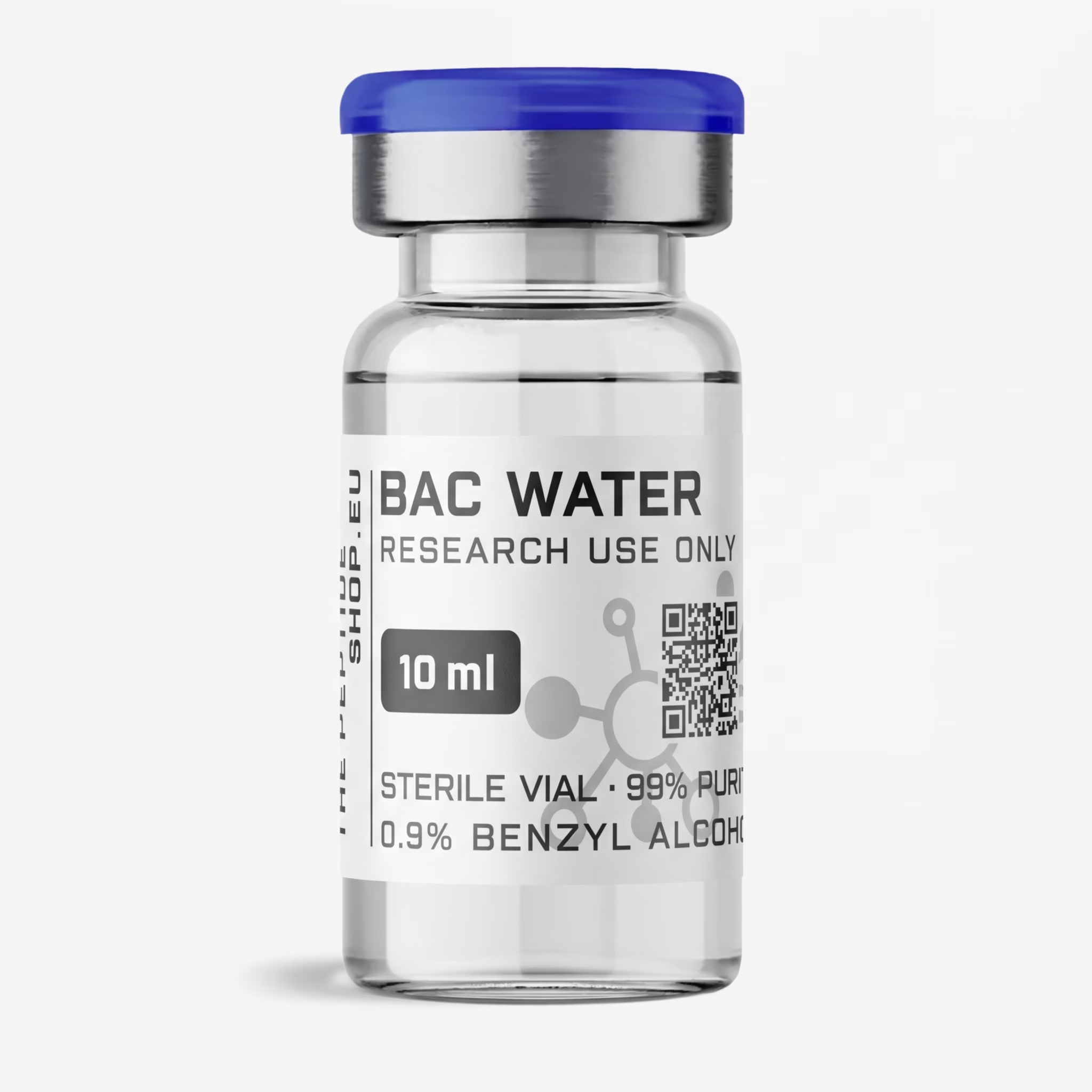
Bacteriostatic water 10 ml is a water-based preparation for laboratory workflows that require a compatible aqueous diluent. This single-vial option provides a stated liquid volume of 10 ml.
Before selecting a diluent, compare its formulation with the requirements of your research method. Ingredients, preservative concentration and relevant quality specifications all matter. Therefore, assess the product documentation alongside the material you intend to study.
The Peptide Shop supplies this product exclusively for laboratory research, not for human consumption, injection, veterinary use or diagnostic or therapeutic applications.
What Is Bacteriostatic Water?
Bacteriostatic water contains a preservative intended to inhibit bacterial growth. BAC water is a common abbreviated name for this type of preparation.
However, the name alone does not establish the exact ingredients or their concentrations. Check the specifications for the particular product rather than assume that all preparations share the same formulation.
What Does Bacteriostatic Mean?
“Bacteriostatic” refers to the inhibition of bacterial growth. It does not mean that a preparation eliminates every microorganism or makes contaminated material suitable for use.
A preservative forms one part of the formulation. Consequently, it cannot replace appropriate laboratory handling, suitable procedures or evidence supporting other quality claims.
Bacteriostatic Properties and Sterility
Bacteriostatic properties and sterility describe different characteristics. Therefore, a product name containing “BAC” does not independently confirm a batch’s sterility.
If your application requires sterility, look for documentation that addresses that requirement. Likewise, review endotoxin limits separately where your method requires them.
Clear appearance also cannot establish microbiological quality. Instead, use relevant specifications and test results when assessing suitability.
What Does the 10 ml Volume Mean?
The 10 ml designation identifies the stated liquid volume in one vial. It does not describe peptide content, a prepared solution’s concentration or the number of experiments you can perform.
Water products commonly use volume units, while peptide listings may state a mass in milligrams. Keeping these measurements separate helps you compare products accurately.
Volume and Concentration Answer Different Questions
Volume describes how much liquid a container holds. In contrast, concentration describes the amount of a substance relative to a volume.
For this reason, “10 ml” alone does not establish the preservative concentration. Nor does it define the concentration of any research material you might subsequently introduce.
Use the documented formulation and your laboratory method to assess those questions.
Planning Laboratory Purchases
A single 10 ml vial offers one purchasing unit. However, the amount your laboratory needs depends on the method, controls and handling requirements.
The stated volume does not guarantee a particular number of preparations or repeat accesses. Therefore, plan quantities around the actual workflow.
For more options, browse our BAC water category. Laboratories sourcing BAC Water in Europe can also review the three-vial pack.
Bacteriostatic Water in Research Workflows
A laboratory method may require an aqueous preparation to dissolve a material or adjust an existing solution. However, the complete formulation must match the requirements of that application.
Start with the experimental method. Then review the product specifications to determine whether this preparation fits the intended workflow.
Reconstitution and Dilution
Reconstitution generally means preparing a solution from a dry material. Dilution, meanwhile, reduces the concentration of an existing preparation through the addition of a suitable diluent.
These processes differ, so neither term establishes universal compatibility. A product suitable for one preparation may not meet another method’s requirements.
Follow the relevant material specifications rather than use a general product description as an experimental protocol.
Compatibility with Research Peptides
A peptide’s name alone does not identify its preferred solvent conditions. Relevant information may include formulation, solubility and restrictions within the research method.
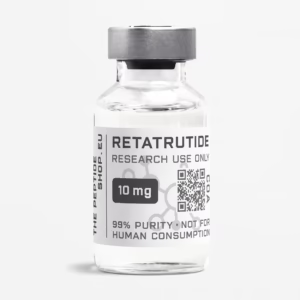
For example, reviewing the reta peptide specifications involves a different material from the GHK-Cu peptide copper complex. Do not assume that a diluent suits both simply because they appear in the same shop.
Instead, compare each compound’s requirements with the water preparation’s documented composition.
Include Preservatives in Experimental Planning
A preservative-containing diluent introduces more than water into an experimental system. Therefore, consider every ingredient when choosing controls and interpreting observations.
If your method specifies a preservative-free vehicle or a defined buffer, do not treat bacteriostatic water as an equivalent replacement without an appropriate assessment.
Comparing Bacteriostatic Water with Other Preparations
Laboratory liquids can differ in composition and quality specifications despite a similar appearance. Consequently, choose according to documented properties rather than the product name alone.
Preservative-Free Water
Preservative-free water lacks the added preservative that characterises bacteriostatic water. These preparations therefore have different formulations.
Neither description establishes suitability for every assay. Instead, check the specific requirements of your research material and method.
Saline and Buffered Solutions
Saline contains dissolved salt, while buffers provide defined chemical conditions. As a result, neither is automatically interchangeable with a bacteriostatic water preparation.
If a method requires a particular salt content, pH or other condition, confirm that the selected preparation meets it.
Product Specifications and Certificates of Analysis
Product documentation should connect the supplied material with its stated composition and quality characteristics. Useful details may include ingredient concentrations, batch identification, fill volume and test results.
Visit our COA database to review the available Certificates of Analysis. Then assess each report according to the methods and characteristics it covers.
Assess Quality Claims Separately
Claims about sterility, endotoxin levels or compliance with a recognised standard require appropriate evidence. Do not infer these characteristics from packaging or a photograph.
Similarly, another manufacturer’s report cannot verify this product’s batch. Match the available documentation with the material you intend to purchase.
Handling and Storage
Follow the handling and storage instructions for this specific product. Also check its expiry information and any restrictions that apply after accessing the container.
Do not adopt an after-opening period from a different preparation. Formulation, packaging and supporting stability information all affect that assessment.
Keep Traceable Records
Record receipt, batch identification and relevant handling events according to your laboratory’s procedures. In addition, retain the product specifications with the experimental record.
These records help you connect the material with the work performed and investigate differences between preparations.
Frequently Asked Questions About Bacteriostatic Water 10 ml
Does This Product Contain a Peptide?
No. This is a water preparation, not a peptide product. The 10 ml designation describes liquid volume rather than peptide content.
Does It Contain 0.9% Benzyl Alcohol?
Confirm the ingredients and concentration in this product’s specifications. The name “BAC Water 10 ml” alone cannot establish that formulation.
Can I Use It with Every Research Peptide?
No universal compatibility applies. First, review the compound’s requirements. Then compare them with the diluent’s composition and your laboratory method.
Is It for Injection or Personal Use?
No. We supply this product exclusively for laboratory research. Our research-use-only policy explains the purchasing restrictions and intended purpose.