Buy Peptides in the EU for Laboratory Research
Looking to buy peptides in the EU for laboratory research? Explore Retatrutide (GLP-3) 10 mg, GHK-Cu 50 mg, TB-500 5 mg and BPC-157 10 mg at The Peptide Shop.
Each product page introduces the compound, its stated quantity and its research background. In addition, our Certificates of Analysis provide access to the results of the reported tests.
Before ordering, compare the available specifications with your laboratory method. We supply all products exclusively for research and restrict purchases to qualified research laboratories.
Explore Our Research Peptide Collection
Our collection brings together compounds with different structures and scientific backgrounds. Therefore, assess each material on its own rather than assume that all research peptides share the same properties.
The stated quantities identify amounts of material. However, they do not define solution concentrations, experimental conditions or administration recommendations.
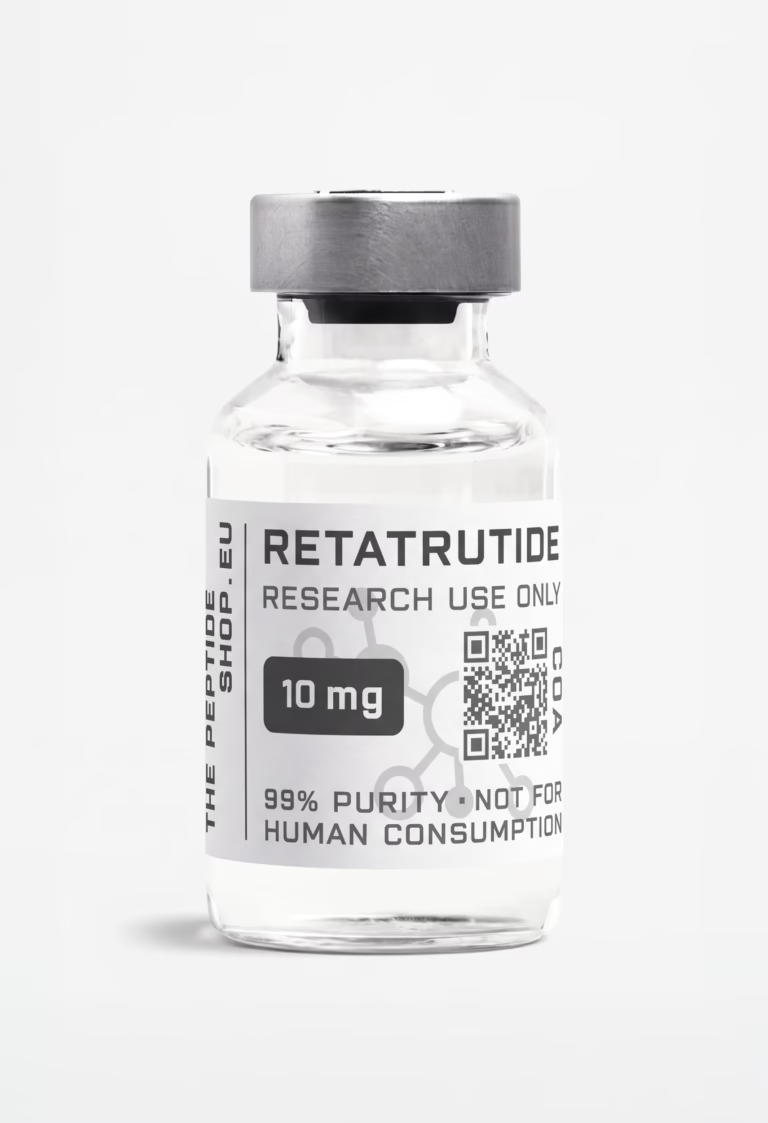
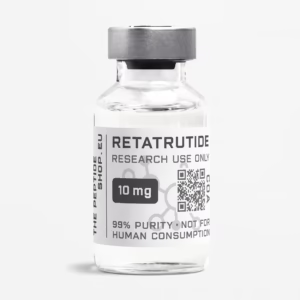
Retatrutide (GLP-3) 10 mg
Retatrutide, also known as LY3437943, is an investigational peptide with activity at the GLP-1, GIP and glucagon receptors. Its triple-receptor profile distinguishes it from compounds that target only one or two of these systems.
The reta peptide product page introduces this research background and the stated 10 mg quantity. Also review the available documentation before assessing the material for your work.
Published studies concern the materials and methods that their authors used. Consequently, those findings do not verify a separately supplied product.
Understanding the GLP-3 Name
“GLP-3” is an informal nickname, not a recognised scientific classification. Instead, the term “GLP-1, GIP and glucagon receptor agonist” describes the receptor profile more precisely.
Retatrutide remains investigational. Its research background does not establish this product as an approved medicine.
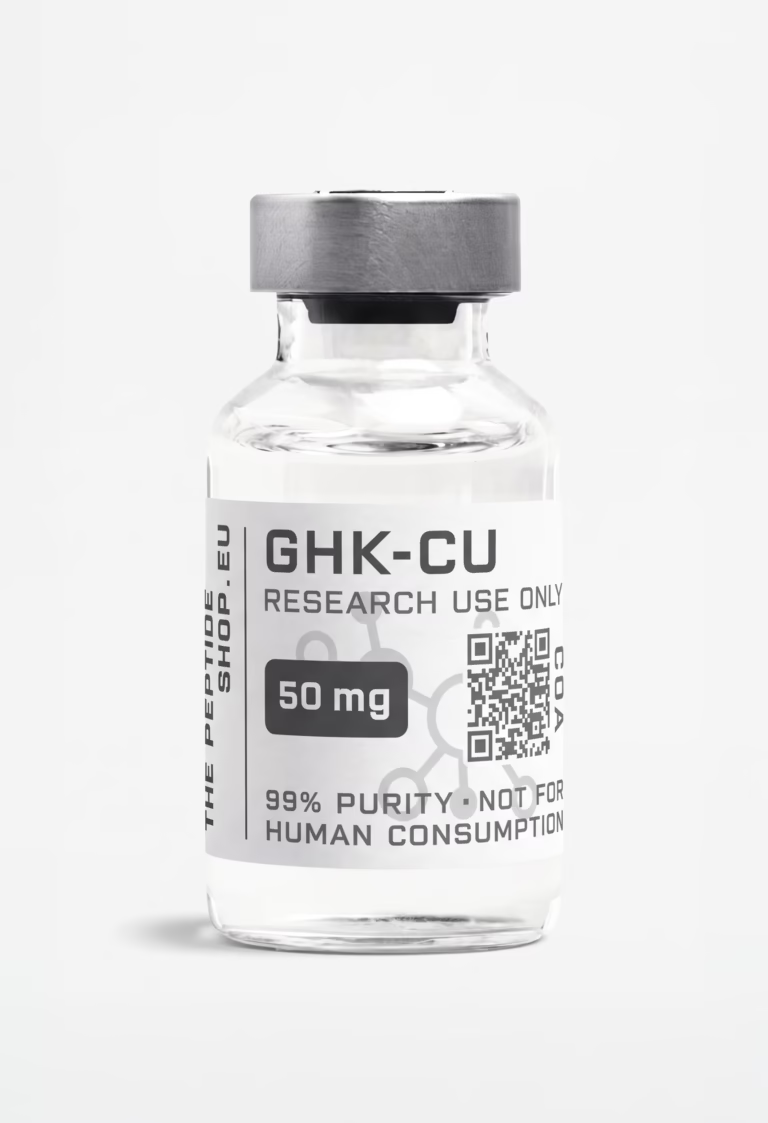
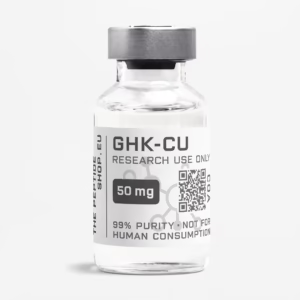
GHK-Cu 50 mg
The GHK-Cu peptide combines the tripeptide glycyl-L-histidyl-L-lysine with copper(II). Therefore, the copper complex differs from GHK without coordinated copper.
Published fibroblast studies have examined GHK-Cu in connection with collagen synthesis and extracellular matrix biology. However, these observations do not establish cosmetic or therapeutic benefits for the supplied product.
When comparing copper peptides, check how the supplier defines the composition. In addition, review identity testing and the basis of the stated quantity.
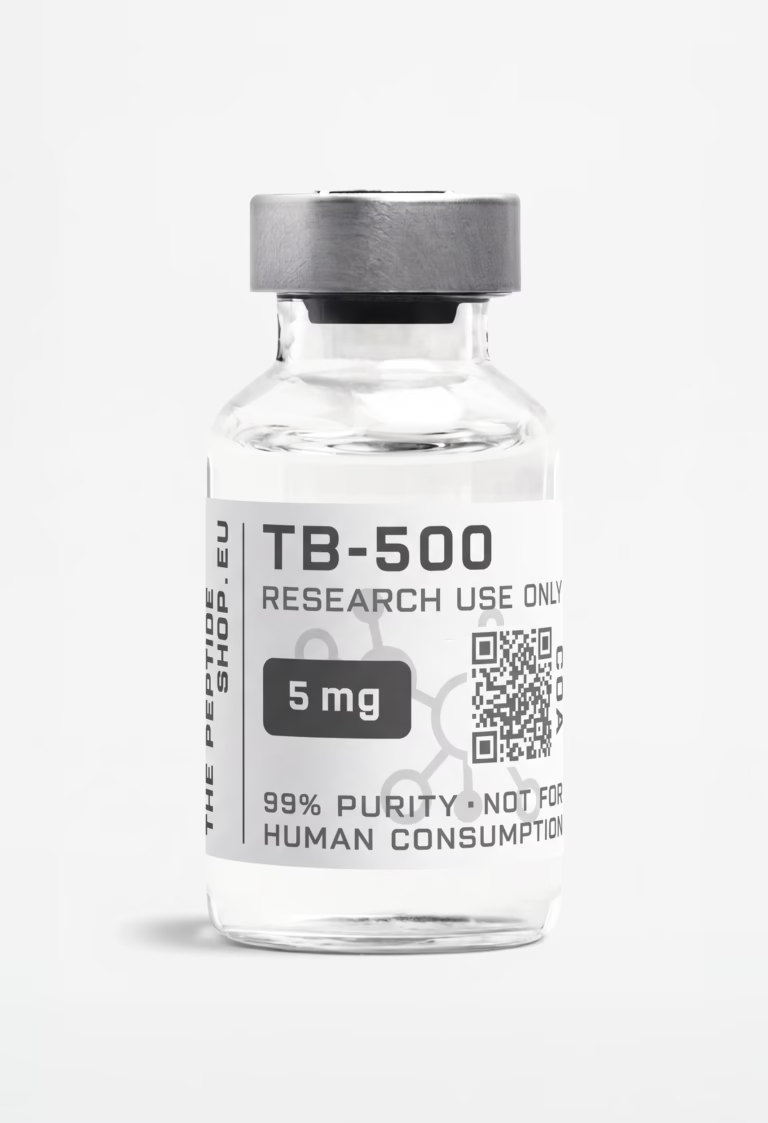
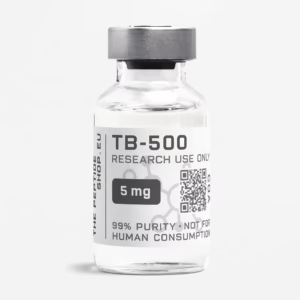
TB-500 5 mg
The TB-500 peptide relates to research involving thymosin beta-4 and its active peptide regions. Analytical literature has identified the acetylated fragment Ac-LKKTETQ in a product carrying the TB-500 name.
However, that finding does not establish the composition of every product with the same label. Full-length thymosin beta-4 and shorter fragments are different materials.
For this reason, confirm the supplied sequence and relevant modifications before selecting scientific references. Then check whether those references concern the material your method requires.
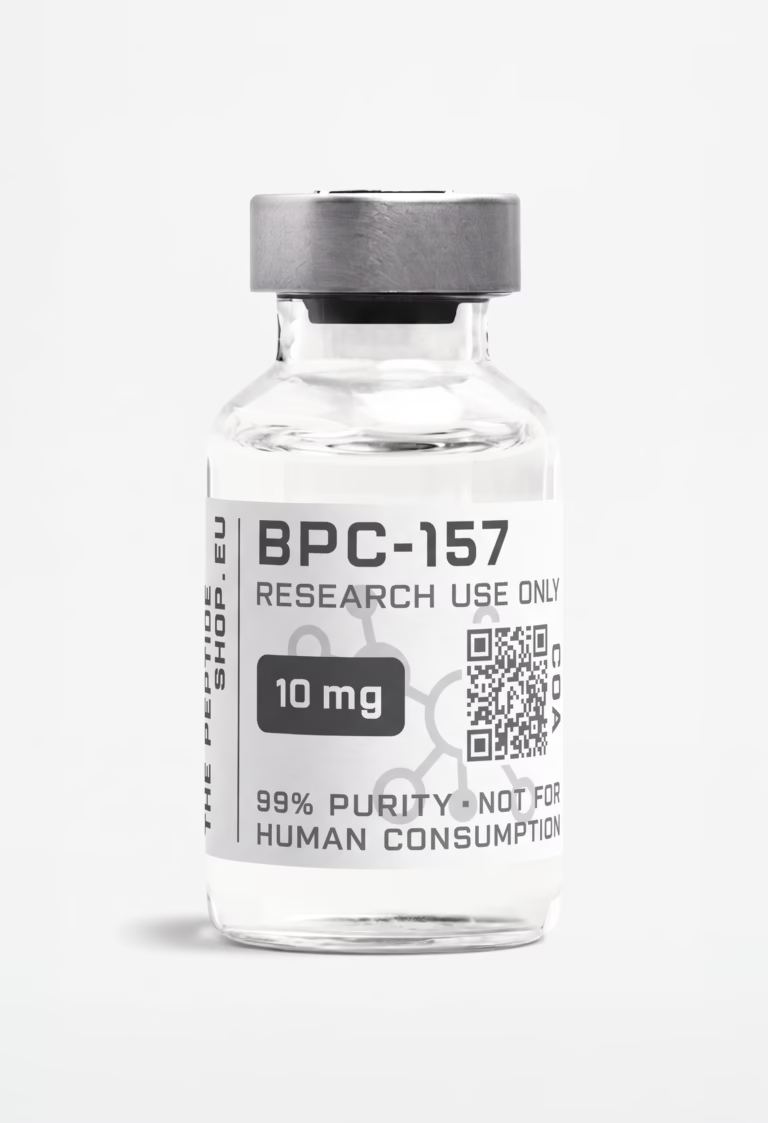
BPC-157 10 mg
The BPC 157 peptide contains 15 amino-acid residues. Its research background includes studies using tendon-derived cells, tissue explants and preclinical models.
Published work has examined cell migration, survival under experimental stress and signalling involving FAK and paxillin. These measurements describe specific observations rather than a general guarantee of tissue repair.
Also distinguish migration from proliferation when reviewing the findings. Different measurements answer different questions, even within the same study.
What to Check Before You Buy Peptides in the EU
A useful comparison starts with your research question. First, identify the compound and characteristics your method requires. Next, compare those requirements with the product specifications and analytical evidence.
Product names and quantities provide basic information. However, they cannot replace a review of molecular identity, formulation and relevant quality attributes.
Start with Molecular Identity
Check the sequence, chemical modifications and formulation where available. For a copper complex, also consider how the supplier specifies its composition.
Likewise, confirm whether a paper concerns a peptide fragment or the complete parent molecule. This helps you avoid treating different materials as equivalent.
Separate Quantity from Concentration
Milligrams describe an amount of material, while concentration relates an amount to a volume. Therefore, a 10 mg product does not have a defined solution concentration based on its name alone.
Similarly, comparing a 5 mg compound with a 50 mg compound does not establish relative potency or purity. Assess the specifications first, then consider the quantity your laboratory needs.
Certificates of Analysis and Product Information
When you buy peptides in the EU, review the documentation alongside the listing. Our COA database provides access to Certificates of Analysis for the products in our range.
Each report has a defined scope. Therefore, examine the tests, methods and results rather than assume every certificate covers the same characteristics.
Understand What a COA Shows
Depending on the tests performed, a report may provide identity, purity, content or other results. Read each value according to its method and units.
However, a purity percentage does not independently establish peptide content, sterility or endotoxin levels. If your application requires a specific characteristic, look for evidence that addresses it directly.
For further guidance, read our article on interpreting a peptide COA.
Keep Batch Records
Match the report’s batch reference with the supplied material where possible. Then retain the documentation with your laboratory records.
These details help you track which material you used. They also support comparisons between experiments and batches.
Read Peptide Research in Context
Scientific papers explain why researchers study a compound and how they investigate it. However, a publication does not certify a commercial product with the same name.
First, identify whether the study concerns cells, animals or human participants. Next, review its controls, measured outcomes and limitations.
Our peptide research blog introduces these topics and explains common analytical terms. Use those guides as a starting point, then consult the original publications for experimental details.
Handling, Storage and Research Use
Follow the handling and storage instructions for the specific product and formulation. Conditions for one peptide do not automatically apply to another. Likewise, dry material and prepared solutions may need different conditions.
In addition, confirm any required stability period against suitable supporting information. Keep records of receipt, batch identification and relevant handling conditions.
Read our research peptides Europe policy before ordering. It explains the research-only purpose and purchasing restrictions.
Browse Peptides for Your Laboratory
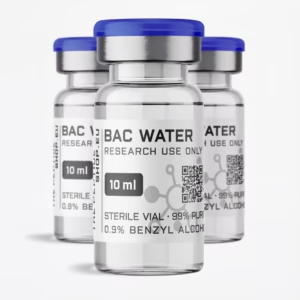
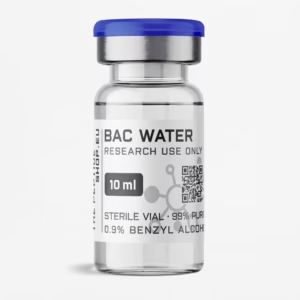
Explore the individual listings to review quantities, research background and available reports. If you also need an aqueous preparation, visit our BAC water category and check compatibility with your method.
Before you buy peptides in the EU, bring the product information and your laboratory requirements together. Request clarification whenever an essential detail remains unclear.
All products in this collection are for laboratory research only, not for human or veterinary use, personal supplementation, diagnosis or treatment.