Reta Peptide 10 mg for Laboratory Research
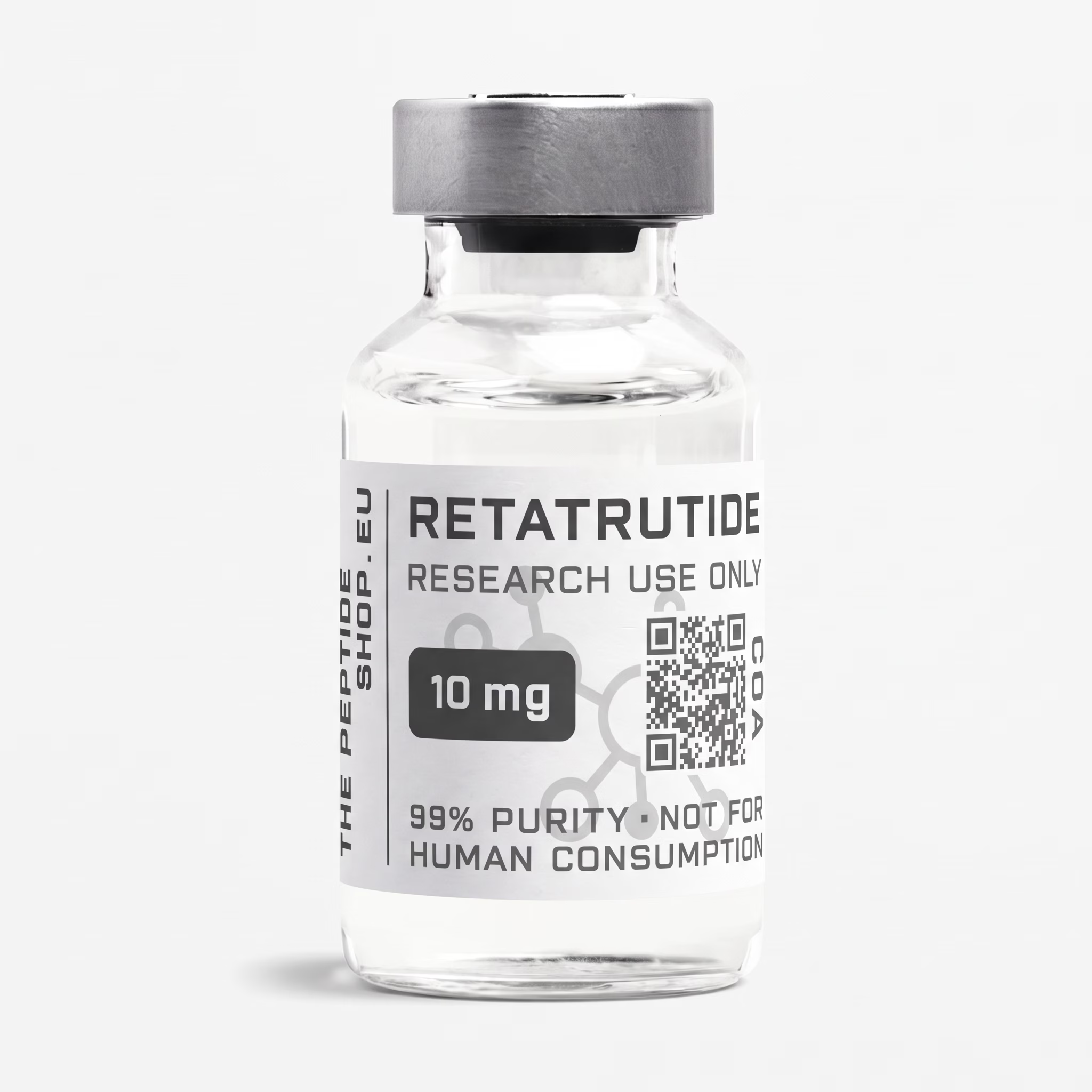
Reta peptide is a common shortened name for retatrutide, a compound that researchers also know as LY3437943. This product carries the name Retatrutide (GLP-3) 10 mg and belongs to our laboratory research range. The 10 mg designation identifies the stated quantity, rather than a solution concentration or administration recommendation.
Retatrutide research focuses on activity at three hormone receptors: GLP-1, GIP and glucagon. Understanding those targets helps explain the compound’s scientific background. However, published studies do not verify the identity, quality or performance of a separately supplied research product.
What Is Reta Peptide?
Retatrutide is an investigational peptide that activates the GLP-1, GIP and glucagon receptors. Scientists describe this profile as triple receptor agonism. An agonist activates a receptor, so the term identifies the three targets involved rather than a general measure of strength or product quality.
You may encounter “reta peptide,” “retatrutide” and “LY3437943” when searching for information. Use retatrutide and LY3437943 to locate scientific papers, then check which material and methods the authors studied. This helps separate the research literature from general product descriptions.
Why Does the Product Name Include GLP-3?
“GLP-3” is an informal nickname for retatrutide’s triple-receptor profile. It does not identify a third glucagon-like peptide receptor. Instead, the more precise description names the GLP-1, GIP and glucagon receptors directly.
Retatrutide remains investigational and has no regulatory approval as a medicine. Therefore, neither the GLP-3 nickname nor its clinical development establishes this laboratory product as a treatment.
Understanding the Three Receptor Targets
Retatrutide brings activity at three receptor systems together within one molecule. Researchers investigate how those activities contribute to responses under defined study conditions. However, three targets do not imply equal activity at every receptor.
The experimental model, test method and conditions all affect how researchers interpret a result. For this reason, consult the original methods when comparing receptor activity rather than rely on the phrase “triple agonist” alone.
GLP-1, GIP and Glucagon
GLP-1 stands for glucagon-like peptide-1, while GIP stands for glucose-dependent insulinotropic polypeptide. Retatrutide activates both receptors alongside the glucagon receptor. Together, these targets explain its classification as a triple agonist.
This classification describes the molecule’s research profile. It does not establish the characteristics of an individual batch, so review product documentation separately from the scientific background.
What Does the 10 mg Quantity Mean?
The 10 mg designation describes the stated peptide quantity associated with this product. It does not independently establish purity, biological activity or suitability for a particular experiment. Those characteristics require their own definitions and supporting evidence.
Also distinguish an amount from a concentration. Milligrams describe mass, while milligrams per millilitre relate mass to liquid volume. Consequently, the product name alone cannot define a prepared solution’s concentration.
Quantity Is Not an Administration Instruction
The 10 mg label does not describe a single dose, weekly amount or treatment schedule. We supply this material exclusively for laboratory research and do not provide administration instructions.
For research planning, compare the stated quantity and other specifications with your laboratory method. If the measurement basis remains unclear, request clarification before purchasing or beginning work.
Reading Retatrutide Research in Context
Scientific publications provide background on the molecule, the questions researchers investigate and the methods they use. However, each result applies to the study material and conditions described by its authors. A product with the same compound name does not automatically share the same composition or performance.
First, identify whether a paper concerns a laboratory model, an animal study or a human clinical trial. Then review the controls, measured outcomes and limitations. These details help you judge relevance without turning a specific observation into a broad promise.
Research Findings and Product Evidence
A scientific paper explains a study; a batch report provides information about a supplied sample. Neither document replaces the other. Therefore, assess the literature for research context and the product documentation for evidence about the material.
Our peptide research blog introduces common terms and explains how to approach analytical information. Use these guides as a starting point, then consult the original references for closer review.
Reta Peptide Documentation and COAs
Before selecting reta peptide for laboratory work, review its specifications and available Certificate of Analysis. Relevant information may include sample identity, batch reference, test methods and reported results. Our COA database provides access to the available product reports.
Read each result according to its scope. A certificate’s presence alone does not establish every quality characteristic, and a report for another batch does not verify the material you receive.
Identity, Purity and Peptide Content
Identity testing assesses whether a sample matches the expected compound. Purity testing examines components through a defined analytical method, while peptide content addresses a separate measurement. Consequently, one result does not automatically establish the others.
A purity percentage also does not independently confirm sterility or endotoxin levels. If your method requires these characteristics, look for evidence that addresses them directly. Our guide to reading a peptide COA explains these distinctions in more detail.
Match Reports to the Supplied Batch
Check the report’s sample or batch reference against the information associated with your product. Also review what the laboratory tested and how it reported the findings. If an essential detail is missing, seek clarification rather than assume that the sample meets your requirements.
Keep the relevant specifications and reports with your laboratory records. This helps track the material used in each experiment and supports comparisons between batches.
Laboratory Preparation, Handling and Storage
Follow the handling and storage instructions for this specific material and formulation. Do not transfer conditions or stability periods from another peptide without suitable supporting information. Dry material and prepared solutions may also require different conditions.
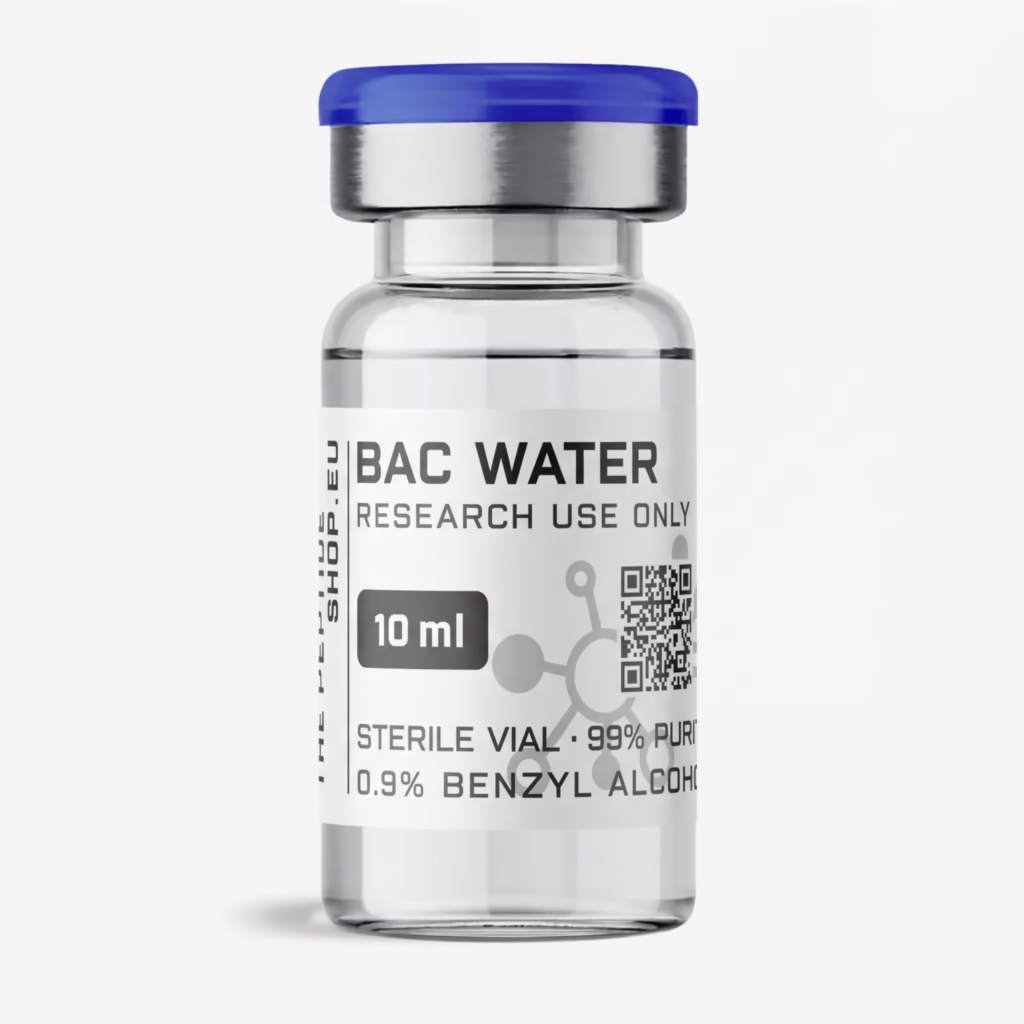
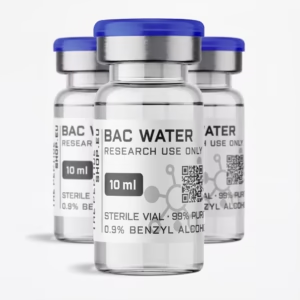
If your method calls for an aqueous diluent, assess compatibility before choosing one. Our BAC water category offers separate purchasing options, but their availability alongside peptides does not establish suitability for retatrutide.
Keep records of receipt, batch identification and relevant handling conditions. Where an experiment requires a defined storage period, confirm that the available information supports it before starting work.
Frequently Asked Questions About Reta Peptide
Is Reta Peptide the Same Name as Retatrutide?
“Reta” is a shortened name commonly used for retatrutide. However, use the full compound name and supporting specifications when checking product identity or searching scientific literature.
Does 10 mg Describe Purity?
No. Milligrams express an amount of material, while purity requires a separate analytical assessment. Review both measurements according to their definitions rather than treat one as a substitute for the other.
Can This Product Serve as a Medicine?
No. The Peptide Shop supplies this product exclusively for laboratory research, not for human consumption, veterinary use, diagnosis or treatment. Read our research-use-only policy for the purchasing restrictions and intended purpose.